blog

1. Setting the Emotional Tone of the Booth

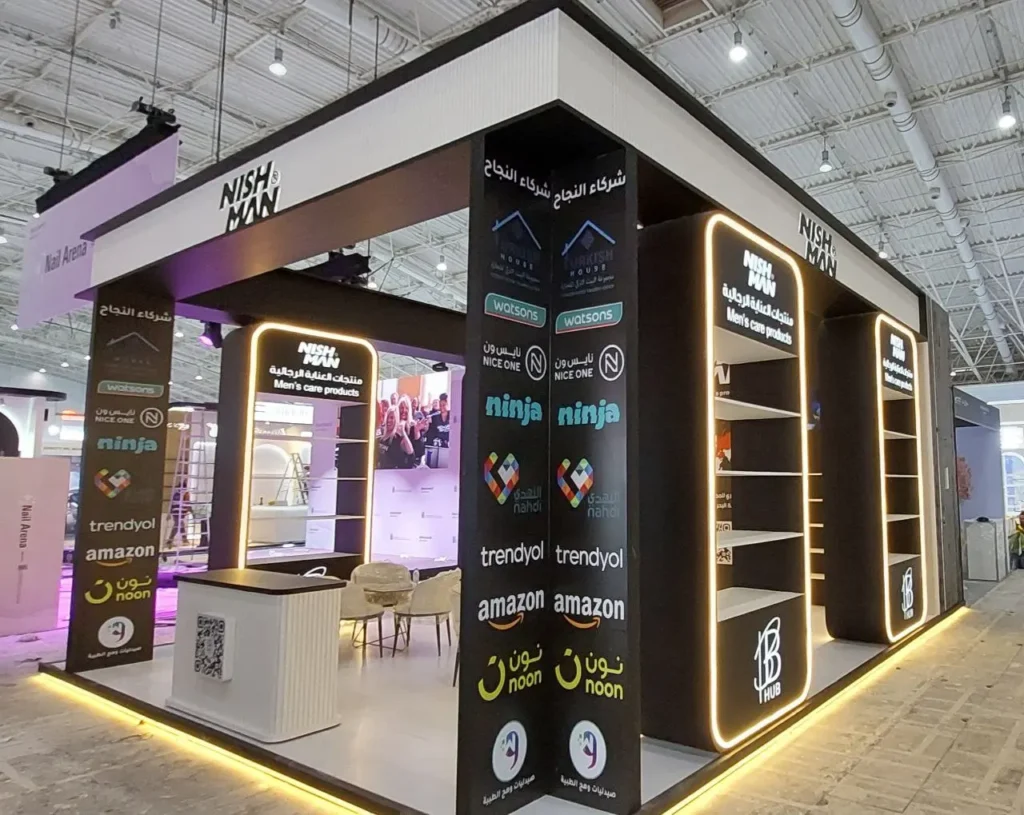
Lighting is one of the most powerful design elements for shaping emotional responses. Warm, soft lighting creates a welcoming and relaxed atmosphere, while bright, focused lighting energizes visitors and stimulates curiosity. The emotional tone set by your lighting determines how visitors feel the moment they approach your booth. When the lighting aligns with your brand identity—whether elegant, bold, or futuristic—it establishes an immediate connection and guides the overall mood of their experience.

2. Directing Attention to Key Displays

Strategic lighting helps guide the visitor’s eye toward your most important displays, products, or messages. Spotlights, accent lights, and illuminated shelving draw attention where you want it most, ensuring that your key offerings never go unnoticed. By using lighting to highlight focal points, you create a clear visual hierarchy that leads visitors through your booth naturally. This intentional direction not only enhances the visitor journey but also increases engagement with specific content.

3. Enhancing Product Visibility and Storytelling

Effective lighting brings your products to life by emphasizing textures, colors, and details that may otherwise go unseen. Whether showcasing technology, retail items, or artistic installations, lighting plays a crucial role in telling your product’s story. When visitors can clearly see how something looks and feels, they form stronger impressions and deeper understanding. High-quality lighting makes your booth more visually compelling and helps communicate product value with clarity and impact.

4. Creating Zones for Different Visitor Experiences

Lighting can be used to separate and define different areas within your booth without physical barriers. A brighter demonstration area, a softly lit meeting space, and a dynamically illuminated product zone each create distinct experiences within one booth. These subtle lighting transitions help visitors understand where to explore, where to engage, and where to hold conversations. As a result, the booth feels more organized, intuitive, and enjoyable to navigate.

5. Increasing Dwell Time Through Comfort

Uncomfortable lighting—whether too harsh, too dim, or too inconsistent—can push visitors away quickly. On the other hand, balanced, well-designed lighting makes people feel comfortable enough to stay longer. The longer visitors remain inside your booth, the more opportunities your team has to build connections and convert interest into real business. Careful lighting design reduces visual fatigue, enhances comfort, and creates a pleasant environment that keeps visitors engaged.

6. Adding Dynamic Movement and Visual Excitement

Modern exhibition booths often use dynamic lighting effects—such as color transitions, motion-responsive LEDs, or animated light paths—to create visual excitement. These dynamic elements make the booth feel alive and modern, capturing attention even from a distance. Movement naturally attracts the human eye, and when used correctly, dynamic lighting can generate higher foot traffic, spark curiosity, and create a memorable brand presence that stands out among competitors.

7. Supporting Brand Messaging Through Color Psychology

Color plays a crucial role in how visitors perceive a brand, and lighting offers powerful control over color tone and intensity. Cool tones communicate innovation and professionalism, warm tones evoke comfort and hospitality, and vibrant colors create energy and excitement. By using lighting that reflects your brand palette, you reinforce identity and strengthen recognition. Consistent color themes across lighting, graphics, and materials create a cohesive booth environment that feels intentional and immersive.

8. Improving Overall Booth Performance and Visitor Conversion

Lighting influences not only how visitors feel but also how they behave. A well-lit booth encourages exploration, supports interaction, and enhances communication—leading to better engagement and higher conversion potential. When visitors feel drawn in, comfortable, and guided through your booth, they are more receptive to your presentations and more likely to become qualified leads. Ultimately, lighting is a strategic investment that directly impacts your booth’s performance and overall exhibition success.
1. The Growing Demand for Eco-Friendly Exhibition Solutions

Sustainability has become a defining priority in 2025, with more brands embracing environmentally conscious practices in their exhibition strategies. Companies are recognizing that eco-friendly booths not only reduce environmental impact but also strengthen brand reputation and align with the values of modern consumers. As visitors grow more aware of environmental issues, a sustainable booth becomes a powerful statement of responsibility, innovation, and forward-thinking brand leadership.

2. Using Recycled and Renewable Materials

One of the key trends in eco-friendly booth design is the use of recycled and renewable materials during fabrication. Designers are increasingly choosing bamboo, recycled aluminum, reclaimed wood, biodegradable panels, and eco-based laminates to build booth structures. These materials provide durability, natural beauty, and a reduced carbon footprint—allowing brands to create visually impressive displays without relying on harmful or non-renewable resources.

3. Modular Booth Systems for Long-Term Reusability

Modular booth structures are revolutionizing sustainable exhibition design by offering flexibility and long-term value. Instead of building a new booth for each event, modular systems allow exhibitors to reconfigure layouts, resize structures, and update branding panels while keeping the main frame intact. This reduces waste, lowers production costs, and ensures that fewer materials end up in landfills. The ability to adapt one booth to multiple events also makes modular solutions one of the smartest eco-friendly investments available.

4. Low-Waste Fabrication and Responsible Production

Eco-conscious brands are adopting fabrication processes that reduce waste during booth production. This includes digital cutting techniques, precise 3D modeling, and material optimization methods that minimize offcuts and leftover scraps. Additionally, many production teams are embracing responsible printing practices, such as using water-based inks, PVC-free substrates, and energy-efficient machinery. These steps not only lower environmental impact but also result in cleaner, higher-quality finishes.

5. Energy-Efficient Lighting and Electrical Systems

Lighting plays a significant role in booth sustainability, with LED technology leading the shift toward lower energy consumption. LEDs consume significantly less power, generate less heat, and offer longer lifespans compared to traditional bulbs. In 2025, exhibitors are integrating smart lighting systems that adjust brightness automatically and reduce energy use during off-peak times. Combined with efficient electrical setups, these solutions contribute to a greener and more cost-effective exhibition experience.

6. Digital Displays as a Replacement for Excessive Printing

As sustainability becomes a priority, brands are replacing large printed graphics with digital screens and LED displays. This shift reduces the need for disposable posters, banners, and printed panels that contribute to event waste. Digital displays offer dynamic content opportunities, allowing brands to update visuals instantly without producing physical waste. They also enhance engagement and storytelling by adding motion, interactivity, and a modern aesthetic to the booth.

7. Eco-Friendly Giveaways and Sustainable Visitor Materials

Traditional giveaways often contribute to waste, prompting brands to rethink their promotional items. Sustainable giveaways—such as recycled stationery, biodegradable merchandise, digital brochures, and reusable products—are becoming the preferred choice. In addition, many exhibitors are moving away from printed catalogs by offering QR codes, digital guides, and online resources that significantly reduce paper use while still providing valuable information to visitors.

8. Communicating Sustainability Through Design

A sustainable booth does more than use eco-friendly materials—it tells a story of responsibility and innovation. Brands are now integrating sustainability messaging into their booth design to highlight their environmental values. This may include signage about recycled materials used, digital dashboards showcasing carbon savings, or dedicated zones that explain the company’s green initiatives. Communicating sustainability openly helps build trust, engage conscious consumers, and position the brand as a leader in responsible design.

1. A Strong, Memorable Visual Identity

A high-impact booth begins with a bold visual identity that instantly communicates who you are and what you represent. This includes cohesive branding, consistent color schemes, well-crafted graphics, and clean typography that reflect your brand’s personality. When visitors immediately recognize your booth from a distance, you create an instant sense of professionalism and credibility. A strong visual identity sets the tone for the entire experience and helps your brand stand out in a crowded exhibition hall.

2. Strategic Lighting That Enhances Your Presence

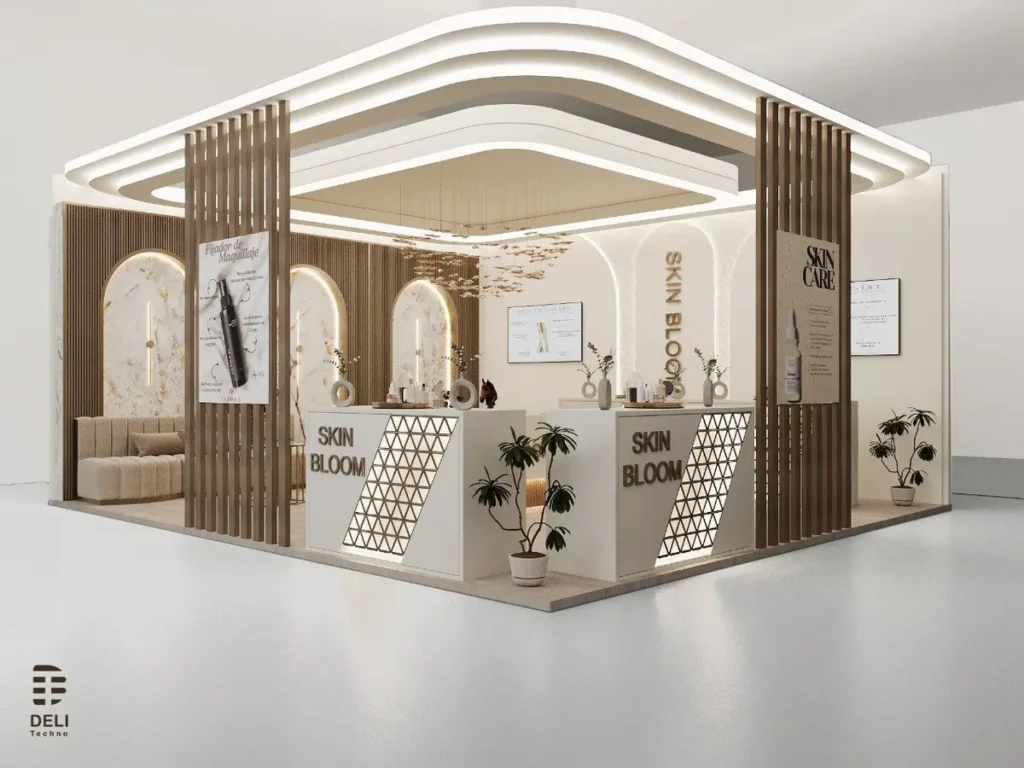
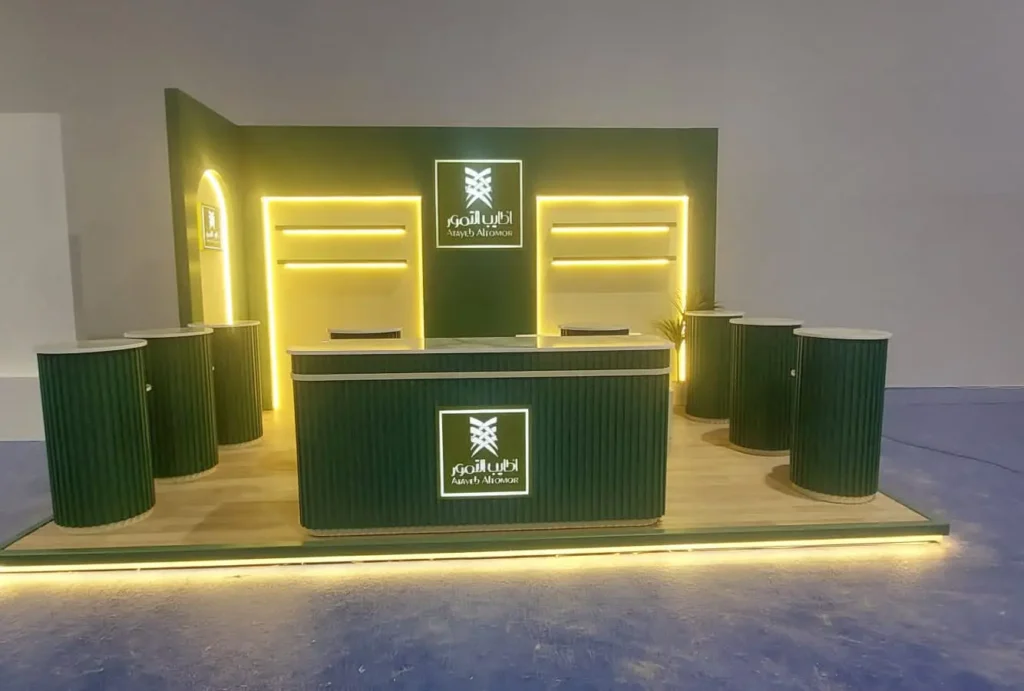
Lighting is one of the most influential elements in creating an engaging exhibition space. Effective lighting highlights key areas, sets the mood, and draws attention to important displays or products. From focused spotlights to ambient LED strips, strategic lighting can transform the overall atmosphere of your booth. When used correctly, it enhances depth, boosts visual impact, and guides visitor attention naturally, making your booth appear more inviting and dynamic.

3. Clear and Engaging Brand Messaging

Your booth should communicate your core message quickly and clearly. This includes concise taglines, impactful statements, and well-placed visuals that tell visitors what makes your brand unique. Effective messaging helps visitors understand your value within seconds, which is essential in a fast-paced exhibition environment. When your message is clear, memorable, and compelling, it inspires visitors to explore your booth further and engage with your team.

4. Functional Layout That Supports Visitor Flow

A high-impact booth must be easy to navigate, with a layout that encourages smooth, intuitive movement. This includes designated zones for product displays, meeting areas, demonstrations, and information points. A functional layout reduces clutter, increases comfort, and ensures visitors can interact with your content without feeling overwhelmed. When the booth flow is carefully planned, it enhances the visitor experience and encourages them to stay longer.

5. Interactive Elements That Boost Engagement

Modern booths rely on engagement-driven features such as touchscreens, demo stations, VR experiences, or hands-on product interactions. Interactive elements turn passive visitors into active participants, increasing dwell time and creating memorable experiences. When visitors can explore, test, or engage with your brand directly, they connect more deeply and are more likely to remember your booth long after the event.

6. High-Quality Materials and Professional Finishes

The materials you choose reflect the quality of your brand. Using premium surfaces, durable structures, elegant finishes, and clean craftsmanship gives your booth a polished and professional look. High-quality materials not only enhance the visual appeal but also improve stability and performance throughout the event. A booth that feels sturdy and well-built communicates reliability, trustworthiness, and attention to detail.

7. Comfortable, Inviting Spaces for Interaction

A high-impact booth should include areas where visitors can sit, talk, and relax while learning about your products or services. Comfortable seating, well-designed meeting corners, and supportive hospitality elements make visitors feel welcome. These spaces encourage deeper conversations and give your team the perfect environment to build meaningful relationships with potential clients.

8. Strong Audio-Visual Elements That Tell a Story

Video screens, animated graphics, product films, and audio narrations can significantly enhance the booth experience. These elements help convey complex ideas quickly and keep visitors engaged visually and emotionally. Audio-visual content adds movement, excitement, and storytelling power to your booth—making it more dynamic, modern, and memorable.

1. Bringing Your Booth Concept to Life Before Construction

3D visualization allows you to see your booth long before any materials are cut or assembled, giving you a realistic preview of how the final space will look and feel. Instead of relying on sketches or imagination, brands can explore a detailed digital model that showcases structure, colors, lighting, and design elements with incredible accuracy. This early visualization helps eliminate guesswork, reduces uncertainty, and ensures that every decision is made with full clarity—even before production begins.

2. Making Faster and More Confident Design Decisions

When you can see your booth in 3D, decision-making becomes smoother and far more efficient. You can quickly evaluate different design ideas, compare layouts, and test visual combinations without costly trial and error. This process speeds up approval, minimizes revisions, and helps both clients and designers align on a shared vision. With crystal-clear visuals, teams gain confidence in the direction of the project, leading to quicker sign-offs and more strategic choices.

3. Understanding Space, Flow, and Visitor Experience

One of the most powerful advantages of 3D visualization is the ability to understand spatial flow. You can analyze how visitors will move through the booth, how furniture placement affects navigation, and how interaction zones influence engagement. By identifying possible issues early—such as tight spaces, visual distractions, or blocked pathways—you can optimize the design for a smooth, natural visitor journey. This ensures the booth functions not just as a display, but as a well-orchestrated experience.

4. Testing Lighting, Materials, and Graphic Elements

3D models offer a realistic environment where you can experiment with different materials, textures, lighting techniques, and branding visuals. You can see how LED lights illuminate displays, how printed graphics look from various angles, and how flooring or structural finishes impact the overall aesthetic. This ability to “test before building” ensures every detail aligns with your brand identity and exhibition goals—resulting in a polished, cohesive final design.

5. Reducing Errors and Costly On-Site Adjustments

Without 3D visualization, misunderstandings in design or execution often go unnoticed until the booth is already being built on-site. This can lead to last-minute changes, added costs, and unnecessary delays. By using 3D modeling early in the process, problems are identified before construction starts—saving time, money, and resources. The clearer the design is from the start, the smoother the fabrication and installation phases become.

6. Enhancing Communication Between Designers and Clients

3D visualization serves as a universal language that bridges communication gaps between creative teams, technical specialists, and clients. Instead of interpreting technical drawings, clients can see an accurate visual representation and provide informed feedback instantly. This shared visual understanding makes collaboration easier, reduces misalignment, and ensures that the final design reflects exactly what the client envisioned.

7. Creating Marketing & Presentation Assets Before the Event

Another major advantage is that brands can use 3D renders as promotional materials well before the exhibition begins. High-quality visuals can be used for marketing campaigns, social media, investor presentations, or event announcements—showcasing the upcoming booth in a stunning and professional way. This pre-event exposure builds anticipation, attracts visitors, and strengthens your brand’s presence even before the booth is physically built.

8. Improving Overall Project Workflow and Efficiency

3D visualization streamlines the entire booth planning process from design to execution. With a clear and detailed model in place, fabrication becomes more precise, installation becomes faster, and the final result is more consistent with the initial concept. This level of efficiency ensures that the project stays on track, meets deadlines, and delivers a booth that looks exactly as expected—enhancing both brand success and visitor satisfaction.

1. Making a Powerful First Impression

A well-designed exhibition booth serves as your brand’s first handshake with visitors, and in competitive event environments, that moment matters more than ever. A visually striking booth immediately captures attention, drawing people in before they even fully register who you are. Strong design elements—such as cohesive branding, clean architecture, and bold visual cues—signal professionalism and credibility. When your booth stands out in the first few seconds, it sets the stage for deeper engagement and significantly increases the likelihood of attracting high-potential leads.

2. Strengthening Your Brand Identity

Your booth is more than a display—it’s a physical expression of your brand. Through colors, materials, lighting, and visual messaging, a well-designed booth communicates your identity clearly and consistently. When visitors step inside, they should instantly understand what your brand stands for, what makes you unique, and why they should trust you. Strong brand alignment builds recognition, reinforces personality, and helps position your company as a serious player in your industry. This clarity creates stronger emotional connections and leaves a lasting impression long after the event ends.

3. Enhancing Visitor Engagement

A successful booth design focuses not only on aesthetics but also on creating interactive experiences that make visitors want to explore more. Whether through product demos, touchscreens, guided displays, or experiential zones, engagement becomes a natural part of the visitor journey. When people can interact with your brand physically and digitally, they spend more time inside the booth—giving your team more opportunities to connect, build relationships, and convert casual visitors into potential clients.

4. Improving Traffic Flow and Visitor Journey

Great booth design considers how people move through the space, ensuring that every step feels intentional and effortless. Thoughtful layouts encourage visitors to follow a smooth flow—from discovery, to interaction, to consultation—without feeling lost or overwhelmed. When your booth is intuitive and well-organized, it reduces friction, increases dwell time, and creates a professional atmosphere that reflects positively on your brand. This strategic approach transforms your booth from a simple display into a customer experience journey.

5. Highlighting Key Products and Services

A well-structured booth provides dedicated zones to showcase your top offerings in a way that is both elegant and easy to understand. Through purposeful lighting, product staging, demonstration areas, and branded graphics, visitors can quickly grasp your value. When your most important products or services are highlighted with clarity, they attract the right audience and facilitate more meaningful conversations. This not only enhances brand perception but also boosts sales opportunities during and after the exhibition.

6. Building Trust and Professional Credibility

Visitors naturally trust brands that present themselves with confidence and consistency. A well-designed booth signals that your brand is serious, established, and invested in delivering quality. When your booth feels polished, organized, and visually cohesive, it reassures visitors that they are dealing with a reliable and professional company. This perception directly influences decision-making—often giving your brand an edge over competitors who appear less prepared or less visually consistent.

7. Supporting Targeted Communication

A strong booth design serves as a communication tool that delivers your core messages without overwhelming visitors. Through strategic placement of information, clean graphic layouts, and clear visual hierarchy, your booth communicates exactly what you want people to know. Whether you aim to introduce a new product, share your company story, or highlight your innovations, the booth becomes a visual storyteller that reinforces your message effortlessly.

8. Increasing Lead Conversion and ROI

Ultimately, the purpose of a well-designed booth is to drive results. By attracting more visitors, keeping them engaged, and guiding them toward meaningful interactions with your team, your booth significantly increases lead conversion potential. A high-quality booth creates a positive impression that carries into follow-up conversations, making prospects more receptive to your offers. Over time, the increased brand visibility, stronger engagement, and improved communication translate into a higher return on investment—making the design a critical factor in exhibition success.

1. Immersive Brand Experiences

Exhibition booths in 2025 are shifting from simple display areas to fully immersive brand environments designed to captivate visitors from the moment they step inside. Brands are investing in sensory storytelling that blends visual, digital, and interactive elements into one cohesive experience. Whether through personalized welcome screens, thematic environments, or dynamic walk-through zones, immersive experiences give visitors a deeper emotional connection to the brand. This approach not only increases engagement but also ensures the booth becomes a memorable destination within the exhibition hall, encouraging longer stays and higher conversion potential.

2. Minimalist Architectural Designs

This year marks a strong shift toward minimalist booth layouts that emphasize clarity, openness, and visual calm. Instead of overcrowding the space with excessive décor, brands are using clean architectural structures, balanced lighting, and strategically placed displays to highlight their core message. Minimalism makes booths appear more modern and sophisticated, while also improving visitor flow and product visibility. This trend reflects a global move toward simplicity, functionality, and elegance—allowing the booth’s purpose and brand identity to speak louder than unnecessary design complexity.

3. Smart Lighting Integration

Lighting has evolved into a central design feature rather than just a technical requirement. In 2025, booths are using smart lighting solutions such as dynamic color-changing systems, spotlights synced with product demos, and ambient lighting that adapts to the booth theme. These lighting strategies create depth, highlight key areas, and guide visitor attention more naturally. Effective lighting transforms the booth atmosphere, enhances brand presence, and helps create an emotional visual experience that differentiates the space from surrounding competitors.

4. Sustainable Materials & Eco-Friendly Concepts

Sustainability is no longer optional—it’s a core expectation in modern exhibition design. Brands are increasingly choosing eco-friendly materials, modular builds, and recyclable components to reduce environmental impact. Bamboo panels, recycled aluminum, LED lighting, and low-VOC paints have become standard choices for companies aiming to present themselves as responsible and forward-thinking. This trend not only aligns with global environmental priorities but also appeals to visitors who value sustainable practices. By adopting green solutions, exhibitors communicate authenticity and leadership within their industry.

5. Digital Displays & Interactive Screens

Technology is transforming booths into digital communication hubs. In 2025, digital screens, LED walls, virtual presentations, and touch-enabled displays are central to showcasing products and services in a dynamic and engaging way. Interactive screens allow visitors to explore product catalogs, watch demonstrations, or customize offerings on the spot. Digital content adds motion, depth, and storytelling power—capturing attention even from far distances. With the rise of hybrid events, digital displays also make it easy to adapt content for in-person and online audiences.

6. Flexible & Modular Booth Structures

Modular booth systems are becoming the preferred choice for brands seeking versatility and long-term value. Instead of building a new booth for every event, exhibitors now invest in modular structures that can be reconfigured into different shapes and sizes depending on venue requirements. This flexibility helps reduce costs, speeds up installation, and allows brands to experiment with new layouts without starting from scratch. Modular systems also support scalability, enabling companies to expand or downsize their booth effortlessly while maintaining a cohesive design identity.

7. Multi-Sensory Design Elements

Booth designs are now incorporating multi-sensory elements to create richer and more memorable experiences. This includes soundscapes that reflect the brand’s tone, subtle scent diffusers that evoke emotions, and tactile materials that encourage interaction. These sensory layers make the booth more engaging and help it stand out in a crowded exhibition environment. By appealing to multiple senses, brands can influence visitor emotions, extend dwell time, and create deeper brand associations—turning the booth into an experiential space rather than just a display area.

8. Personalized Visitor Journeys

Personalization is at the heart of modern booth design. In 2025, exhibitors are creating guided visitor journeys that feel intuitive and tailored to individual interests. This might include designated zones for different audiences, smart navigation cues, or interactive stations that adapt to visitor behavior. The goal is to ensure each visitor experiences the booth in a way that matches their needs—whether they want quick product information, an in-depth demo, or a guided presentation. Personalized journeys create satisfaction, improve engagement, and increase the chances of turning visitors into leads.